
Alcoholic spirits are a cornerstone of global drinking culture and an essential part of the modern dining experience. From classic whisky and gin to tequila, rum, and brandy, spirits are enjoyed in bars and restaurants worldwide for their depth, intensity, and versatility. At their core, spirits are distilled alcoholic beverages made by concentrating alcohol from fermented ingredients. This distillation process produces drinks with significantly higher alcohol content than beer or wine.
At Asador Bar & Grill, spirits play an important role in enhancing the dining experience, whether enjoyed neat, on the rocks, or in expertly crafted cocktails that complement grilled flavours. In this guide, we’ll explore what is an Alcohol spirit, how spirits are made, their types, and how alcohol and spirits differ from beer and wine.
Brief History of Spirits
To understand what are spirit liquor , we need to go back thousands of years. Early forms of fermentation existed over 9,000 years ago, but true distillation began around the 9th to 10th century with Arab scholars refining the process. By the Middle Ages, European monks were producing distilled alcohol known as aqua vitae (“water of life”), believed to have medicinal properties. Over time, spirits evolved from experimental medicine into cultural and social beverages. Today, spirits are enjoyed globally not only as drinks but as part of food culture, fine dining, and social experiences in restaurants.
How Spirits Are Made (Step-by-Step)
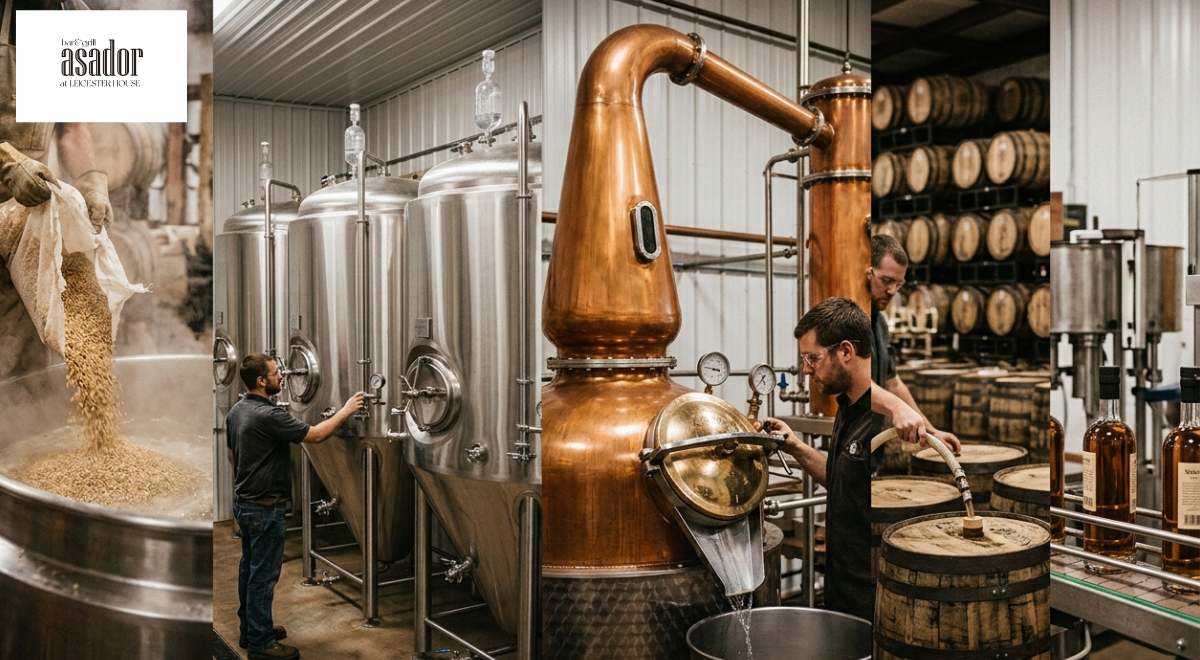
Although each spirit drink has its own unique recipe, all spirits follow a similar production process:
Step 1 Sourcing Ingredients
The foundation of any great spirit begins with sourcing the right ingredients. Grains such as barley, corn, and rye, along with fruits, sugarcane, and agave, are carefully selected based on quality and origin. The better the ingredient, the better the final flavour in the glass.
Step 2 Mashing / Crushing
Once the ingredients are sourced, grains are ground down and mixed with hot water to extract their natural sugars, creating a thick liquid ready for fermentation. For fruit-based spirits, the fruit is crushed to release its juice, which forms the base of the production process.
Step 3 Fermentation
Yeast is added to the liquid, known as the “wash” or “must,” triggering fermentation. Over days to weeks, the yeast consumes the sugars and converts them into alcohol, resulting in a low-alcohol liquid with an ABV of around 6–10%. This stage is when the spirit’s foundational flavours begin to develop.
Step 4 Distillation
The fermented liquid is heated in a still, causing the alcohol to evaporate and rise as vapour before being condensed back into liquid form. During this process, the “heads,” which contain toxic methanol, and the “tails,” which carry harsh and unpleasant flavours, are carefully discarded. Only the purest middle section, known as the “heart,” is kept, and this is what becomes the quality spirit.
Step 5 Ageing
Where applicable, the spirit liquor is transferred into oak barrels to rest and mature over time. The wood slowly imparts colour, flavour, and complexity to the liquid, transforming it into something far richer and more refined. Climate plays an important role here; spirits aged in warmer climates tend to mature at a faster rate than those aged in cooler conditions.
Step 6 Blending & Bottling
In the final stage, master blenders carefully combine multiple batches to achieve a consistent and balanced flavour profile. Water is then added to reduce the alcohol content to the desired bottling strength. Some spirits undergo chill filtration to remove cloudiness and ensure a clear, polished appearance before they are sealed, labelled, and made ready for the world to enjoy.
Major Categories of Alcoholic Spirits
There are six major categories of spirits commonly found in bars and restaurants:
Whisky / Whiskey
Whisky is made from fermented grain mash, barley, corn, rye, or wheat and must be aged in oak barrels. Scotch is smoky and peaty, aged at least 3 years in Scotland. Bourbon is sweet and rich, made with at least 51% corn and aged in new, charred oak barrels. Irish Whiskey is smooth and light thanks to triple distillation. Japanese Whisky is delicate and refined, heavily inspired by Scotch traditions. Rye Whiskey is bold and spicy, making it a favourite for classic cocktails.
Vodka
Vodka is a clean, neutral spirit typically made from grain or potatoes, distilled to a high purity and then diluted to bottling strength. Its flavour is minimal, slightly sweet, and very smooth, which makes it the world’s most versatile cocktail base. Russia, Poland, and Sweden are the leading producers, each bringing their own distinct craftsmanship to this iconic spirit.
Rum
Rum is a tropical spirit distilled from sugarcane juice or molasses, produced mainly across the Caribbean and Latin America. White rum is light and fresh, perfect for cocktails like the Mojito and Daiquiri. Dark and aged rum is rich and complex, ideal for sipping neat. Spiced rum is infused with warming spices like vanilla and cinnamon, making it widely approachable and flavourful.
Gin
Gin is a neutral spirit redistilled with botanicals, with juniper berries always at its core. London Dry Gin is crisp and juniper-forward, while Contemporary Gin leans toward floral and fruity flavours. Sloe Gin is a sweeter liqueur made from sloe berries. The UK leads the world in gin production and consumption, and the spirit has enjoyed a remarkable global revival in recent years.
Tequila & Mezcal
Both spirits come from the agave plant in Mexico. Tequila must be made from Blue Weber agave and comes in three main styles: Blanco (unaged), Reposado (aged 2–12 months), and Añejo (aged 1–3 years), each offering increasing richness and complexity. Mezcal can be made from any agave variety and has a distinctive smoky character from roasting the agave hearts in underground pits before distillation.
Brandy & Cognac
Brandy is distilled from fermented fruit juice, most commonly grapes. Cognac is the finest expression, made in south-west France and aged in Limousin oak, developing rich, elegant flavours. Armagnac is a more rustic French alternative, while Calvados is an apple brandy from Normandy. Pisco is a South American grape brandy from Peru and Chile, best known as the star of the classic Pisco Sour.
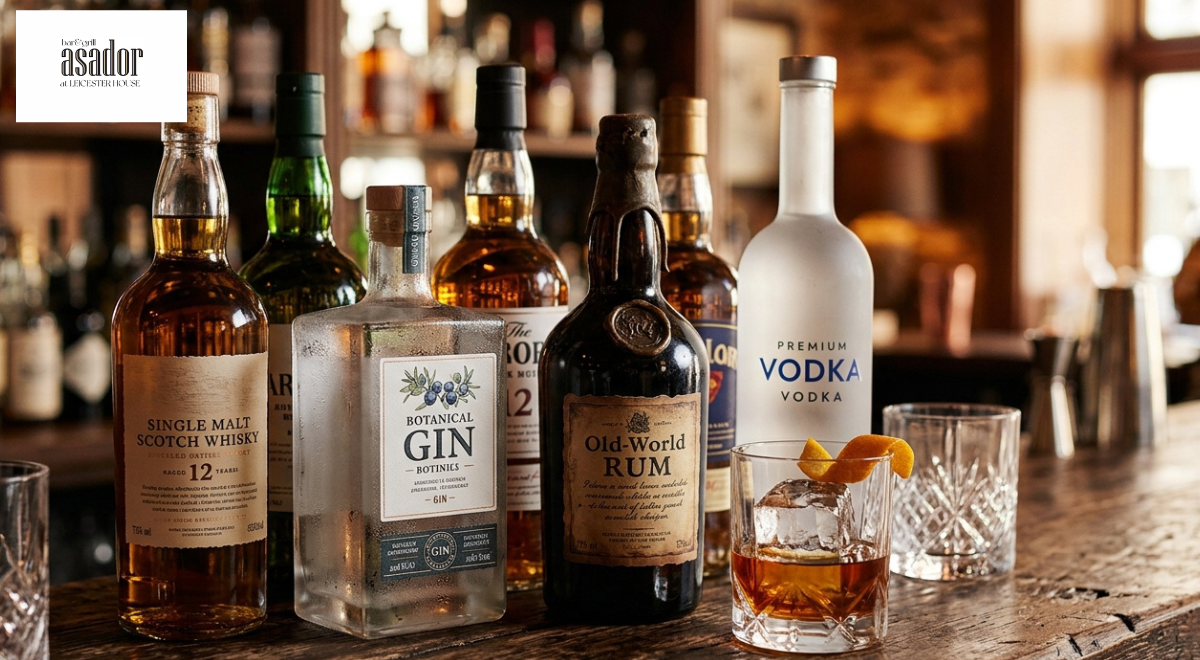
Every spirit Carrie is a unique story worth discovering, from its origins to its flavour profile. If you are looking to explore the finest selection of spirit drink, the best restaurants in Central London offer an extraordinary range of world-class drinks that cater to every taste and occasion.
Spirits vs Beer vs Wine
Understanding spirits becomes easier when compared with other alcoholic drinks:
| Category | Beer | Wine | Spirits |
|---|---|---|---|
| Base Ingredient | Grains (barley, wheat, corn) | Grapes or other fruit | Grains, fruit, sugarcane, agave, potatoes |
| Production Method | Fermentation only | Fermentation only | Fermentation + Distillation |
| Distilled? | No | No | Yes |
| Typical ABV | 4% – 7% | 11% – 15% | 20% – 60%+ |
| Flavour Profile | Bitter, malty, hoppy | Fruity, tannic, floral | Intense, complex, varied by type |
| Common Examples | Lager, Ale, Stout, IPA | Red, White, Rosé, Sparkling | Whisky, Vodka, Gin, Rum, Tequila |
| Serving Size | 330ml – 500ml | 125ml – 250ml | 25ml – 50ml |
| Ageing | Rarely aged | Sometimes aged | Often aged in oak barrels |
| Calories (per serving) | ~150–200 kcal | ~120–160 kcal | ~60–80 kcal per shot |
| Colour | Golden, amber, dark brown | Red, white, rosé, golden | Clear, amber, golden, dark brown |
| Common Use | Casual drinking, social gatherings | Dining, celebrations | Cocktails, sipping neat, toasts |
Price Range | Budget to mid-range | Budget to premium | Budget to ultra-premium |
Understanding the difference between beer, wine, and spirits helps you make a more informed and enjoyable choice with every drink. Recognised as one of the best restaurants in Leicester Square, Asador Bar & Grill take pride in serving authentic flavours and offering a premium selection across all three categories, crafted to complement our drink menu and elevate your dining experience.
Spirits in Food & Dining Culture
Spirits are not just drinks; they are an important part of the dining experience. Whether you are planning a casual lunch in Leicester Square or a special evening out, the right spirit pairing can transform a meal, enhancing every bite and sip in equal measure. At Asador Bar & Grill, our bar menu is designed to elevate your dining experience, whether you prefer a smooth whisky, a refreshing gin, or a handcrafted cocktail.
Popular Pairings of spirits:
- Whisky with grilled steak or smoky meats
- Gin with light starters or citrus-based dishes
- Rum with spicy or glazed barbecue flavours
- Tequila with chargrilled or smoky dishes
- Brandy as a digestif after a rich meal
Each drink is chosen to enhance flavour, balance richness, and complete your meal with a premium touch.
Conclusion
Spirits are more than just drinks; they are a reflection of culture, craft, and centuries of tradition. From the smoky depths of an aged Scotch whisky to the vibrant freshness of a classic gin cocktail, every spirit tells a story worth exploring. Understanding how they are made, where they come from, and how they pair with food only deepens the appreciation for what is in your glass. Whether you are a seasoned enthusiast or just beginning your journey into the world of spirits, there is always something new to discover.
Book your table now and let our team guide you through our carefully curated selection, from everyday favourites to rare and special expressions, and find the perfect pour to complement your meal and your moment.

How to Smoke Garlic in a Smoker | Easy Step-by-Step Method
How to Smoke Garlic in a Smoker | Easy Step-by-Step Method May…

How to Make French Onion Soup (Classic & Easy Recipe)
How to Make French Onion Soup (Classic & Easy Recipe) May 16,…
What is an Alcohol Spirit? Origins, Types & How They are Made
What is an Alcohol Spirit? | Origins, Types & How They are…
